Working with gifted students can be challenging and time-consuming. Creating tiered assignments that offer varying levels of rigor is not easy. Allowing students to work at their own pace can become a complicated juggling act.
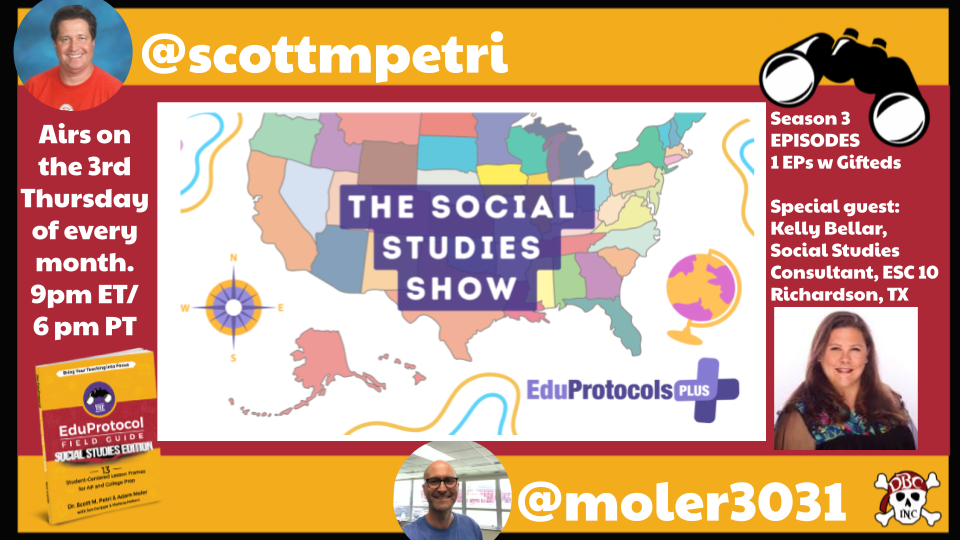
On Thursday, January 16, 2025 at 9 pm ET/6PT Adam and I welcome Kelly Bellar to The Social Studies Show to talk about using EduProtocols with Gifted Students. Kelly is a Texas Social Studies Instructional Specialist who differentiates for gifted learners with EduProtocols.
Kelly will describe how EduProtocol sequences can support open-ended and self-directed assignments that encourage higher-order thinking for gifted students. We will discuss how EduProtocols can help teachers compact the curriculum and allow gifteds to skip material they’ve already mastered.
If you want to challenge your gifted students and not just assign them “extra” work, join us on EduProtocols Plus.
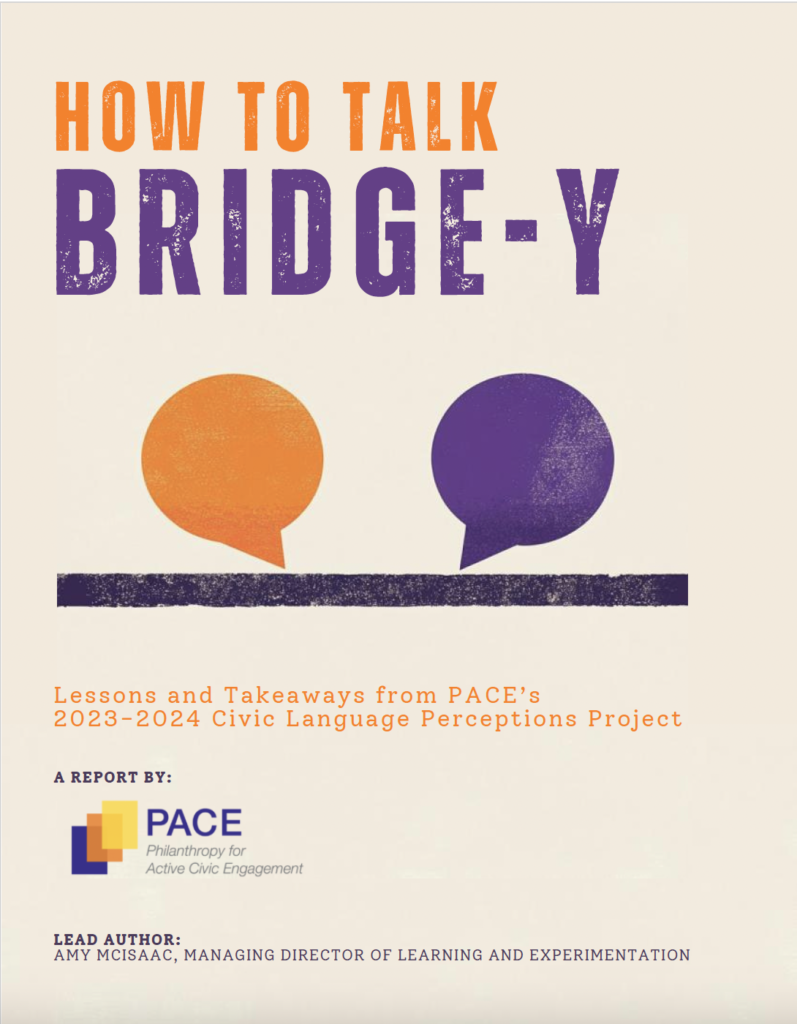
This month on The Social Studies Show Adam and I will talk about “How to Talk Bridgey” – a report that shares lessons for using civic terms without alienating segments of your audience. The guide summarizes five years of research on civic language and can help teachers facilitate more productive classroom dialogue.
Do your students know the coded and loaded words that influencers weaponize to push their buttons? We will use the Frayer Model to understand the signals that different civic terms send. Then we will discuss techniques for building meaningful dialogue and brainstorm strategies for prioritizing connecting over dunking in civil conversations.
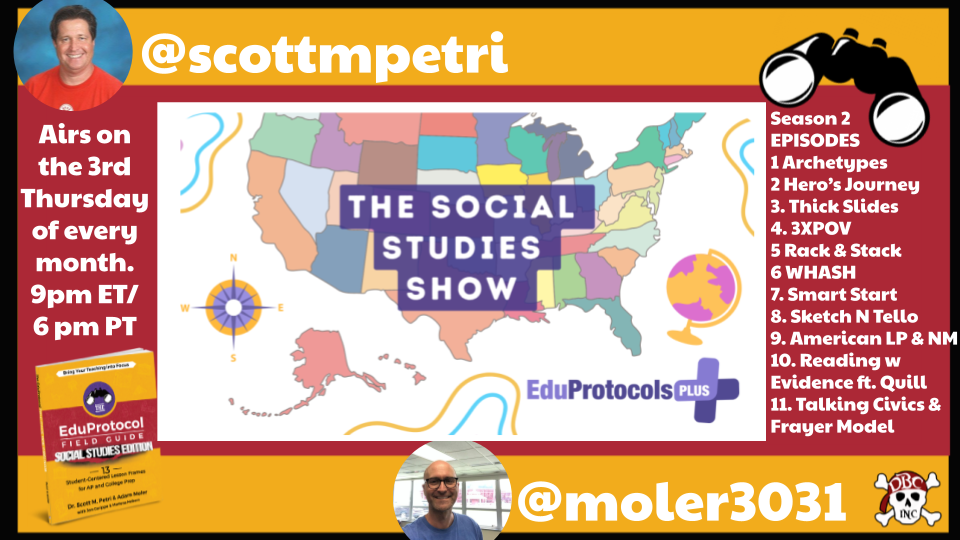
Join us on Thursday, December 19, 2024 at 9 pm ET/6PT as we wrap up our second season on EduProtocols Plus. We promise some tasty virtual eggnog. If you are a new member and want to binge on the show over the Winter Break, don’t forget these episodes from Season One.
Calling all secondary educators! Mark your calendars for a high-energy and inspirational professional development opportunity. On April 26, 2025, the EduProtocols Roadshow will take over the Hiller Aviation Museum in Northern California. The location is close to the Redwood City Residence Inn and the Blue Oak Brewing Company in San Carlos.
This intimate, one-day event is designed to help you teach more and grade less. Don’t miss this chance to learn directly from EP experts on how to implement EduProtocols easily into your classroom practices. The day features a special focus on math, English Language Arts (ELA), science, and social studies.
What makes this professional learning so exceptional? The Roadshow will quickly onboard new users with 5-6 versatile EduProtocols that are adaptable across all subjects and grade levels. If you are an experienced EP user, you will be inspired by rack and stack advice offered by our expert faculty. The goals are simple: give you a fast start in utilizing EduProtocols and provide you with an opportunity to collaborate with educators who will support you during your teaching journey.
Why Attend?
The EduProtocols Roadshow is more than just a workshop; it’s an engaging and supportive learning environment designed to help you integrate EduProtocols within your existing curriculum. These FREE lesson frames are crafted to be easily adapted and highly effective, ensuring you leave the event with practical strategies you can apply immediately.
Each “in the round” session is high-energy and hands-on, providing a scaffolded series of classic EduProtocols facilitated by the originators themselves. From Smart Start to academic use and implementation, you’ll see these EduProtocols in action and understand their full potential.
Meet the Experts
This special event will feature teacher-leaders in the EduProtocols community. Get insights and hands-on training from:
· Jon Corippo, co-founder of EduProtocols
· Jacob Carr, author of the EduProtocol Field Guide ELA Edition
· Dr. Scott Petri, co-author of the EduProtocol Field Guide Social Studies Edition
· Ariana Hernandez, eduprotocol enthusiast and science educator extraordinaire
With their extensive expertise and passion for education, these facilitators will guide you through a transformative learning experience.
Register Now
This event is capped at 150 participants to ensure an intimate and personalized experience. Don’t miss your chance to be part of this transformative day. Register now and take the first step towards revolutionizing your teaching methods with EduProtocols.
Join us at the EduProtocols Roadshow on April 26, 2025, at the Hiller Aviation Museum. Together, let’s create an educational experience like no other and embark on a journey of lifelong learning and support.
The event kicks off at 8:30 AM, and from there, you’ll dive into a dynamic schedule packed with interactive sessions. Here’s a glimpse of what to expect:
· 8:30 AM – Show starts! Get ready for an exciting day ahead.
· 9:00-10:30 AM – Round One of EduProtocols in the round with the team. Experience hands-on learning with practical demonstrations.
· 10:30-10:45 AM – Coffee and snacks. A quick break to recharge and network.
· 10:45-11:00 AM – EduProtocols: What the data says. Learn about the effectiveness of EduProtocols through data-driven insights.
· 11:00-12:30 PM – Round Two of EduProtocols in the round with the team. Continue your hands-on learning journey.
· 12:30-1:15 PM – Lunch Break. Enjoy a well-deserved lunch and connect with fellow educators.
· 1:15-1:30 PM – EduProtocols and Brains. Discover how EduProtocols engage students’ cognitive processes.
· 1:30-2:30 PM – Round Three of EduProtocols in the round with the team. Deepen your understanding with further practical sessions.
· 2:30-2:45 PM – EduProtocols Changed My Life. Hear inspiring testimonials from educators who have transformed their classrooms with EduProtocols.
· 2:45-3:30 PM – Collaborate with educators building units and lessons you can add to your instructional routines. Conclude the day by making specific plans for implementing EduProtocols in your classroom.
** All times are in Pacific Time. Schedule subject to change.
Please join us on April 18, 2024, at 6 PT/9ET on The Social Studies Show when we talk about writing instruction with Josie Wozniak, the host of the ELA EduProtocols show and creator of the 3XPOV & 3XGENRE EduProtocols. Bring some student work examples, and your favorite templates, and be ready to learn a new writing strategy with some friendly teachers. We look forward to seeing you on EduProtocols Plus.
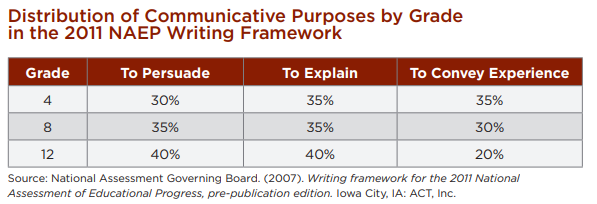
As we head into testing season, many Social Studies teachers start to second guess the amount of instructional time they have devoted to writing instruction. Has it been enough? Has it been too much? What is the appropriate balance between teaching writing skills and Social Studies content? The writing framework for the NAEP offers the following advice:
When students are asked to write about what they are reading, their comprehension of what they have read goes up 24 percentile points (Gabriel, 2023, p. 61). Social Studies teachers typically rotate writing tasks around narrative, explanatory, and persuasive text types, however, students benefit from perspective-taking when they interpret primary and secondary sources. The 3XPOV or 2XPOV EduProtocol gives students practice writing with different points of view and then engages them in a small group discussion over what elements in the writing are most aligned with individual perspectives.
If you missed the first season of the Social Studies Show, all 12 episodes are available at any time for members of EduProtocols Plus. You can listen to the EduProtocols podcast for free.
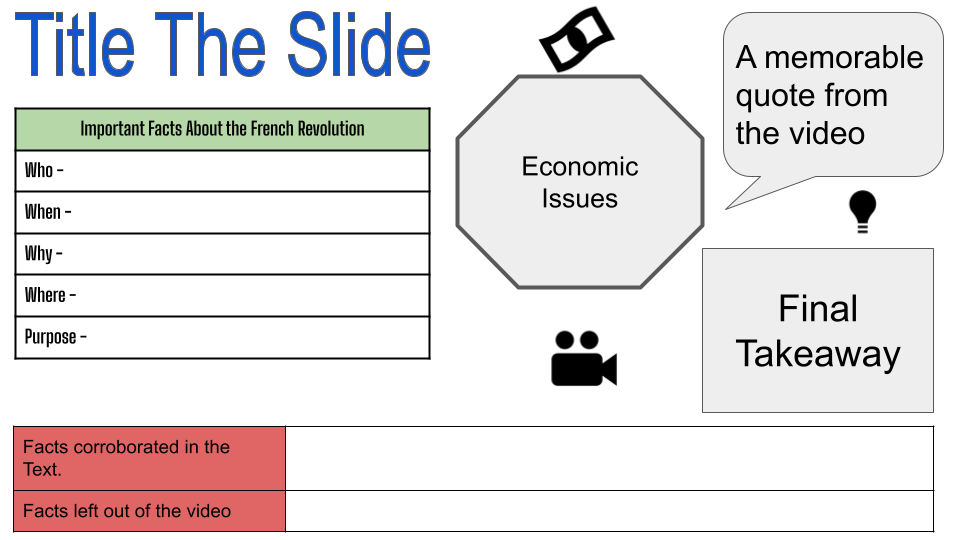
Thick Slides (although not in our book) are a flexible and popular EduProtocol that should be in every Social Studies teacher’s toolbox. Thick Slides help students extract key information from a text, lesson, or video and complete a deconstructed paragraph that asks for specific fields like who, where, what, when, and why? They are a fun and engaging formative or summative assessment that gives students some structure for writing.
The last time I wrote about Thick Slides, I used them for a Primary Source Scavenger Hunt. Adam recently reflected on how Thick Slides could be deepened or thickened by having the categories range up the Depth of Knowledge (DOK) framework from recall to application to strategic thinking.
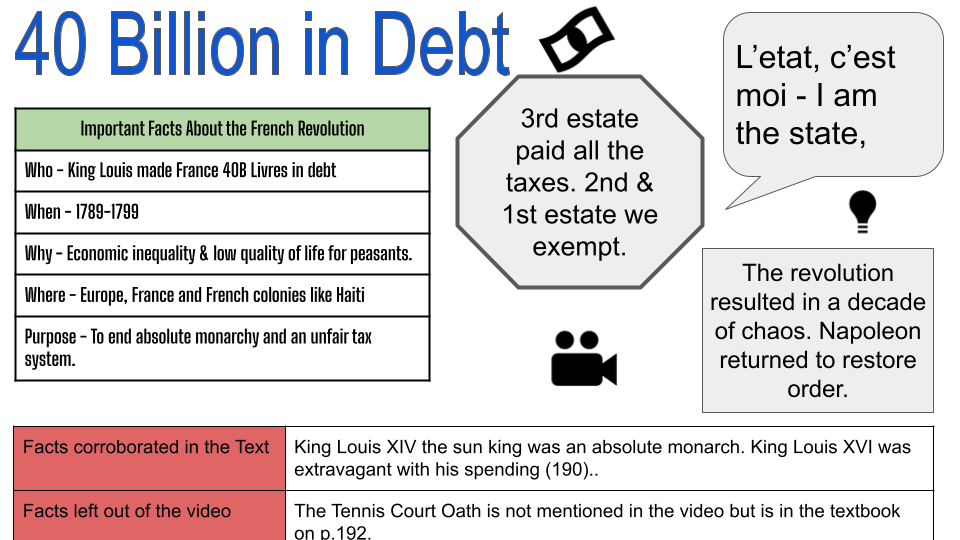
I have also used Thick Slides as a critical friend protocol to create an authentic audience to review student projects. When my students created Ignite Talks on the French Revolution, Thick Slides gave them a formalized way to report what they learned from watching each others’ videos.
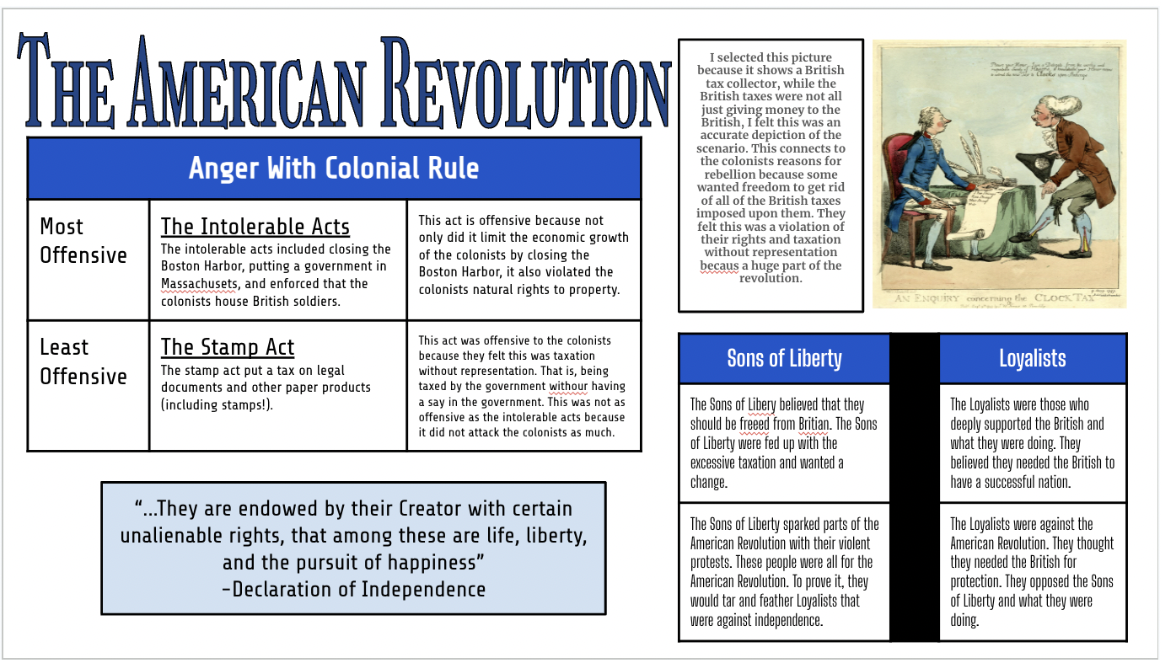
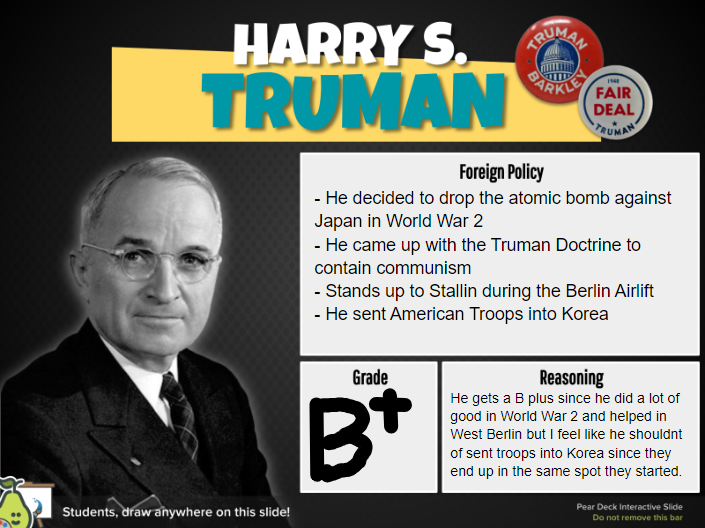
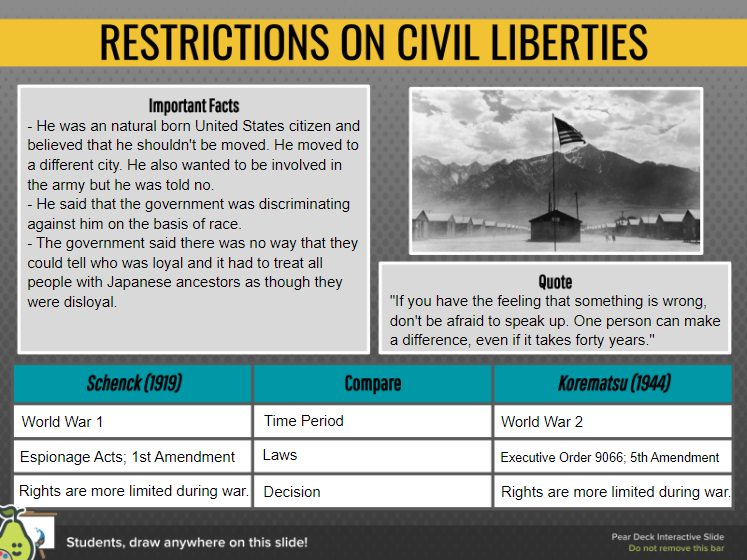
Some of our awesome EduProtocol friends: Angela Zorn, Dominic Helmstetter, and Steph Conklin shared someexamples in the gallery below. They have used this protocol with middle to high school grades covering history and government topics.
We hope you will join us on March 21, 2024, at 6 PT/9ET on The Social Studies Show when we talk about all things Thick Slides. Bring your favorite templates, and some examples to show off your content skills, and be ready to share your ideas with some friendly teachers. We look forward to seeing you on EduProtocols Plus.
Adam Moler and I had a ball presenting together during the Catalina Lesson Design Mixer last week. Adam truly excels at simplifying pedagogy and combines it with an instinctive gift for self-reflection at a depth that I am incapable of. Working with him has helped me grow as a teacher in soooo many ways. Our friendship provides a clear example of how EduProtocols gives teachers a common language to discuss instructional practices and helps us focus on identifying instructional misconceptions together. I wish more teachers had access to a thought partner like Adam.
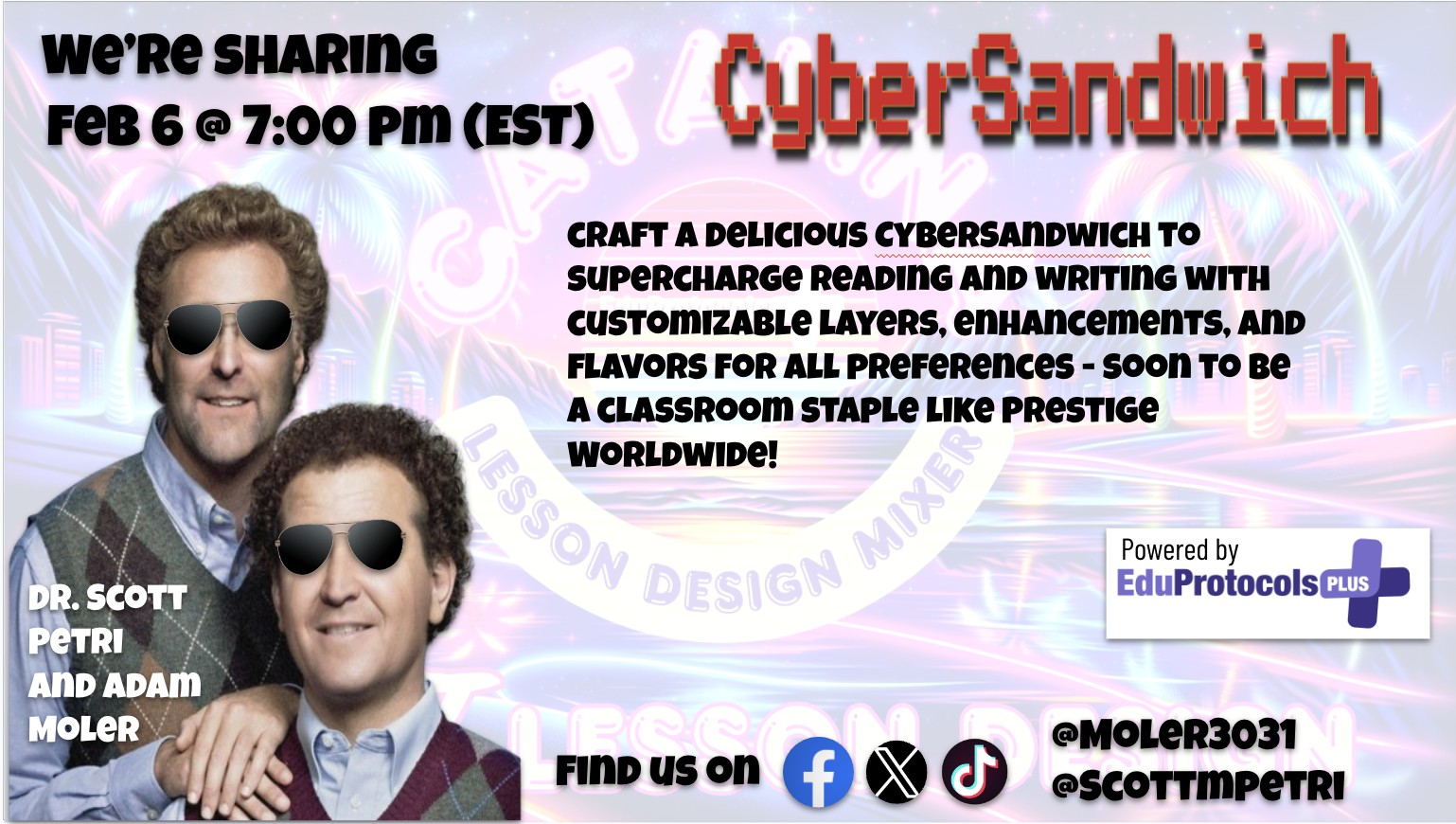
Our first session was on the classic CyberSandwich. This simple think-pair-share EduProtocol helps teachers monitor reading comprehension and allows students to practice note-taking, and then share what they thought was important with a peer. Teachers benefit from seeing the same EP used by teachers in different subjects and grade levels. Adam provided numerous examples in his presentation.
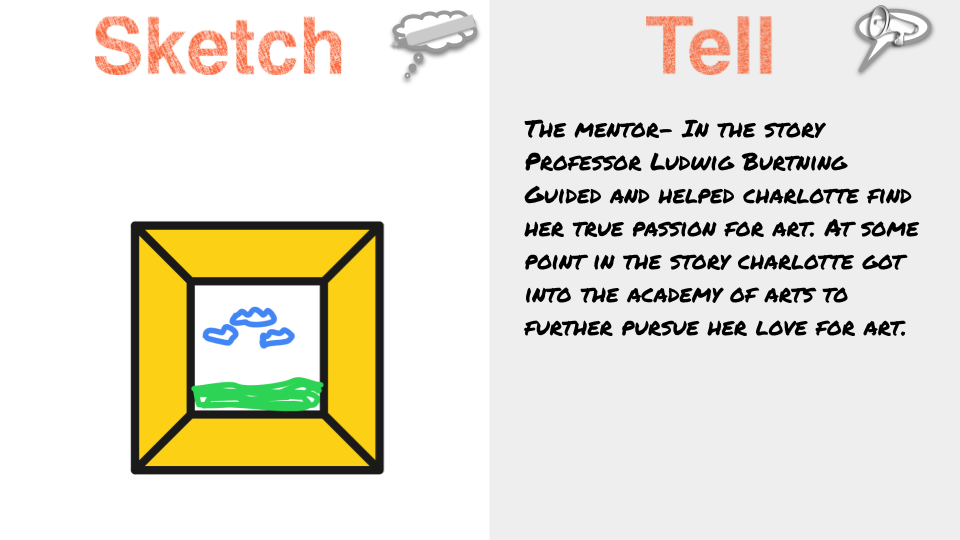
In our second session, we presented a smashup of the Hero’s Journey and Archetypes with Sketch and Tell. These frameworks help students classify and organize components of a historical event into mental models for higher levels of understanding.
The Hero’s Journey Eduprotocol applies a student’s historical knowledge to situations, which can be framed as the call to action, threshold, helper, abyss, transformation, and return. Almost every historical event or unit can be filtered through these lenses. Once teachers are familiar with the framework, they will see these patterns everywhere.
These frameworks are a good way for teachers to collaborate on interdisciplinary projects. A science teacher can the life cycle of a disease via the Hero’s Journey.
An ELA teacher can partner with a History teacher in working with City of Thieves by David Benioff, a novel on the siege of Leningrad told from the POV of a starving Russian in WWII.
There is a rich body of literature that examines the use and efficacy of mental models in education. A mental model is a visual representation of how something works. Mental models help us understand complex thinking. According to visible learning researcher John Hattie, conceptual change programs have a .99 effect size. This means that teachers who use these strategies consistently can expect to see more than two years of academic growth with their students.
If you would like to learn more about using The Hero’s Journey EduProtocol join us this Thursday, February 15th on The Social Studies Show on EduProtocols Plus at 9pm ET/6pm PT. We will talk about how to smart start with television commercials before diving into historical eras. Come and share how you get your students excited about comparing actions and events over different periods of time.
Adam Moler and I will kick off the second season of The Social Studies Show on Thursday, January 18, 2024 at 6 PT/9 ET. We are excited to work with our EduProtocols Plus members to better understand the role of Archetypes in understanding historical events.
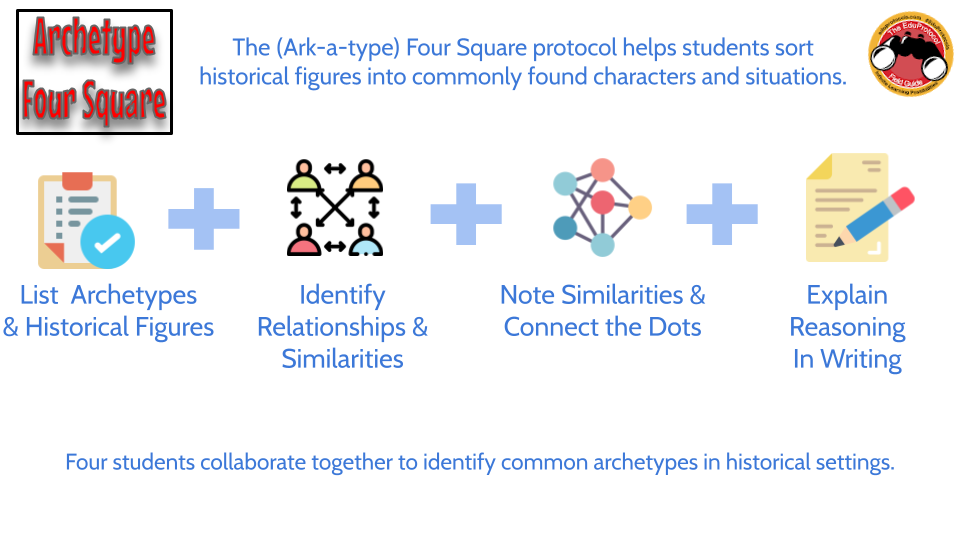
The Archetype Foursquare EduProtocol (Chapter 13) helps students at all levels demonstrate that they can transfer their learning from one subject (English) to another (History). When students start to see that all of their subjects are connected. They become more engaged learners.
Understanding archetypes helped my students compare the Holocaust and the Cambodian Genocide. These exercises have given my students more practice in identifying the commonalities that connect historical figures. Plus, they work equally well in fiction and nonfiction. Combining the archetypes analysis with the Hero’s Journey framework can make for a rigorous and engaging formative assessment.
Recent Environmental Studies scholarship has utilized archetypes in sustainability research to better understand corporate motives and evidence-based policymaking. One of my students doing a project for AP Environmental Science used archetypes when analyzing who was the worst villain or shadow in the history of fracking which was well laid out in Rachel Maddow’s 2019 book Blowout.
Was it George P. Mitchell, Aubrey McClendon, Rex Tillerson, or Vladimir Putin? Students could be equally engaged in rigorous discussion when trying to determine which historical figures played the role of hero, ally, threshold guardian, shapeshifter, trickster, or mentor. Students will need to dive into the text and back up their claims with evidence.
Not sure if your students are advanced enough to use archetypes in your class? Take a look at these elementary school lessons.
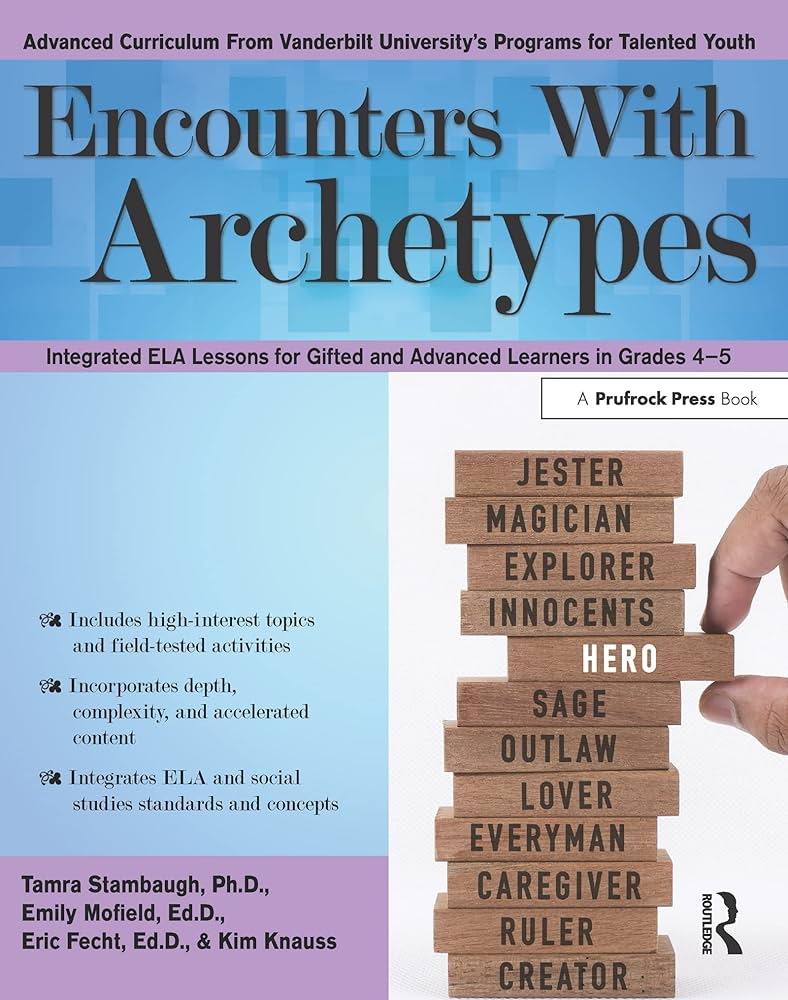
Here is a free book preview that guides teachers on how to integrate interdisciplinary instruction with ELA and Social Studies. We hope you will join the show with examples of how you have used Archetypes in your class.
You can follow #EduProtocols enthusiasts on Twitter/X or join our Facebook group for educators.
Do a search with the hashtag #EduProtocols to view more examples.
The Game Of Quotes is a fun and fast-paced activity that can be used to motivate students to pay close attention to the historical texts they are reading in your class. The key to the activity is asking students to find a quote that responds to a borrowed phrase or creative prompt. Students race through rounds to find the most appropriate, insightful, or entertaining response. The teacher asks students to share their responses out loud and the class votes on the best one.
Adam and I will celebrate the one-year anniversary of the Social Studies Show by playing a Holiday-themed, four-round edition of Game of Quotes on December 21, 2023. Join us on EduProtocols Plus at 9 pm EST/ 6 pm PST. As a Plus member, you can stream our growing library of shows on demand.
If your students are unfamiliar with the definitions, consider having them warm up with a paraFLY rep. When they re-write the historical thinking definition in their own words, they will reveal any glaring misconceptions. Consider preparing some examples in advance and be prepared to model them repeatedly to clarify understanding.
Depending on the level of academic writing you want your students to master, some may need to be reminded of the Introduce, Cite, and Explain format. Provide this in your whole-class feedback.
Before the pandemic, I thought I was a pretty good teacher. I worked hard at rotating reading, writing, speaking, and listening assignments throughout my social studies courses so that students would learn how to improve their skills and learn content simultaneously. I was very proud of the speaking assignments my students completed and pleased with the metacognition they showed when reflecting on their work.
Then, the pandemic hit and students retreated to the anonymity of their screens. When we met back in person, I thought I could go back to business as usual and get them talking to each other about content and practicing some public speaking skills. I was wrong. They didn’t want to turn and talk. They didn’t want to socialize with each other. They didn’t want to complete any assignments that involved presenting or speaking in front of the class. To my horror, one class had eight students in a row decline to give a speech, even though most of them had written the speech and practiced it on Microsoft Flip. I was gutted. For the first time in my education career I found myself contemplating something new, perhaps in the rewarding and lucrative field of refrigeration repair.
Fortunately, I stayed in the education game, resolved that I could find new ways to effectively scaffold speaking projects to lower student apprehension and anxiety. This post will describe the importance of having secondary students engage in oral history projects and describe a new Artificial Intelligence technology StoryFile that can help students practice posing questions to pre-recorded conversational video without the heightened anxiety that comes with actually talking to a real person.
Participating in oral histories improves engagement and increases the amount of historical empathy students develop. When conducting interviews, students generate original questions using higher-order cognitive skills that lead to deeper understanding. I helped my students to improve their interview questions by teaching them about the six levels of Bloom’s taxonomy. Similarly, ChatGPT, an open AI interface can be used as a brainstorming partner to help students access information and creative avenues that improve their writing.
The cool thing about this conversational video technology is that it allows students to “interact” with pre-recorded testimony. The AI matches responses to individual student questions. Practice with this technology offers students practice in listening, posing questions that show off their depth of knowledge about history content, and following up when they get an unexpected answer. In short, these activities may help students perform better during job interviews. Lastly, they provide educators with opportunities to evaluate student content knowledge, academic vocabulary, listening, and SEL skills.
After reading the historical fiction novel Charlotteabout German artist Charlotte Salomon by David Foenkinos, my students worked in small groups to collaborate on twenty-four questions to pose to Holocaust survivor, Rose Schindler. Then each student chose four questions to ask the AI and recorded whether or not the response was appropriate. The machine was able to off appropriate responses to 67% of my students’ questions. Here is an example of a student asking questions and then later reflecting about this assignment with her mother.
Conversational video can improve the speaking, listening, and question development experience for students. Developing oral history questions requires listening and SEL skills. Many students don’t get sufficient practice. StoryFile can help them build background knowledge, anticipate multiple responses, and pose meaningful questions to Holocaust survivors, Civil Rights leaders, and 9/11 first responders using Conversational AI.
During the oral history process, students practice written and oral communication, conduct primary and secondary source research, use technology to record and analyze historical testimony. The act of creating questions enhances learners’ understanding of course materials and promotes deeper learning. Asking relevant questions reflect a student’s social awareness in addition to their pedagogical content knowledge and can be used as SEL skill builders as well as formative assessments. Students can practice asking questions to Japanese internees, Holocaust survivors, Civil Rights leaders, and 9/11 first responders using the Story File website.
Participating in the questioning and response process appears to increase the amount of historical empathy students develop. Conducting oral histories in the classroom can reveal student misconceptions and help educators address comprehension problems. Using Depth of Knowledge (DOK) and/or Bloom’s Taxonomy frameworks for evaluating questions, teachers can assess the historical content in student-generated questions. Students conducting oral history interviews practice empathic listening, build confidence in public speaking and oral communication skills, improve their creative collaboration skills, and demonstrate growth in one-on-one interviews. Students build media literacy skills when sharing projects via video production and digital storytelling.
Because my students could practice their oral history interviewing techniques in small groups or as individual assignments much of their anxiety in completing this assignment was reduced. Allowing time for gallery viewing and helping students conduct peer reviews or self-assessments also lowered student anxiety levels. With increased practice, students will gain proficiency with interviewing skills and teachers will grow more confident in evaluating the quality of student questioning.
Brainstorming skills were enhanced by repeated queries of ChatGPT to generate high-quality interview questions that reflected advanced background knowledge and cultural competency. Reflection on the learning process and practice generating specific AI disclosure statements may also allow students to avoid charges of plagiarism. Also, students who have significant practice in conducting interviews will experience less anxiety and display more confidence during actual employment interviews. Lastly, advances in Artificial Intelligence will impact all teaching and learning. This activity will help teachers and students work in harmony with AI, using it as a thought partner to bring out deeper, more iterative, and reflective learning.
I ask my students to present one assignment from my class to their parents in a conversation using Microsoft Flip. This allows for increased equity for the students who can’t participate in back-to-school night and also gives students practice in demonstrating to an adult that they are responsible and should be given an increased allowance or even the car keys. I was surprised by how many students showed their parents the video of their conversation with Rose Schindler.
Traditionally, higher SES schools offer more field trips and are able to bring in more guest speakers to offer eyewitness historical accounts to students. Lower SES schools struggle to offer students these enrichment opportunities. StoryFile technology could create an equitable, student-centered learning environment by allowing all students access to interactive conversational video experiences with historical figures. Integrating AI voice recognition with video testimony could level the playing field by offering unique, first-person interactions within the classroom.
In sum, even in elementary and middle school classes, there are numerous benefits to having students conduct oral histories, however, the cost and length of time involved in these processes often make them prohibitive practices in the classroom where 70-90% of learning experiences are textbook-based. Using Story File’s website is free and offers students a chance to practice interviewing skills with sixteen video-recorded subjects in one gallery and an additional eight subjects in their Black Voices collection. I hope you will consider experimenting with StoryFile and ask your students to conduct an oral history in your classroom.
The ParafLY EduProtocol (Chapter 6) helps students paraphrase complex text and simplify it to show a clear understanding of the subject. This post features examples of a 10th-grade World History class practicing interpreting literary criticism. This was a part of a large, interdisciplinary project that required the collaboration of an ELA teacher, a History teacher, and a Spanish teacher. The students used their knowledge from all three classes to write children’s books on historical figures from the Mexican Revolution. The books are archived here.
As part of this project, I asked students to write their narratives at a sixth-grade reading level. They used the Hemingway App to check their text and revise it until they hit the target. For practice, I gave them some post-graduate literary criticism from Yisela Maria Padilla of the novel they were reading in class. Students had 15 minutes to paraphrase the original 360-word paragraph, which was written at the post-graduate or 16th grade level. I collected their work via Pear Deck and color-coded it as A=Green, B=Yellow, C=Red. Everyone who made an effort got the points. NOTE: This is not the way to smart start ParaFLY! Always use a low-cognitive lift when starting a new EP. Here are three student responses and the feedback I provided to the whole class.
On the left-hand side of the slide below is the original text and on the right-hand side is my paraphrased attempt. Numerous studies demonstrate that student self-assessment is a major factor in academic improvement. Asking students to identify strengths and weaknesses in their own work yields powerful insights. Increased metacognition and problem-solving with advanced social studies concepts and academic vocabulary leads to deeper learning.
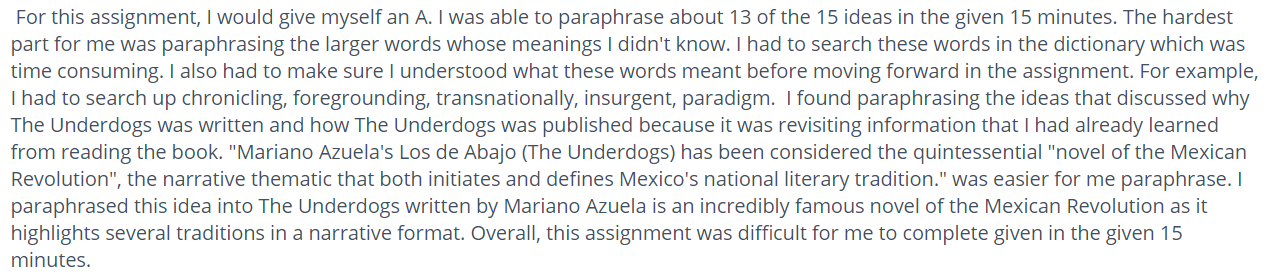
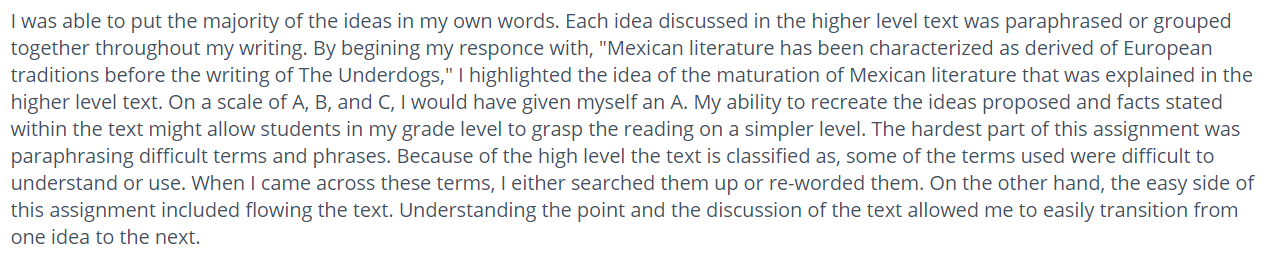
The next day, I asked students to evaluate their work after reading my sample. They posted to a discussion board answering the following questions: Add up how many of the ideas you were able to put into your own words. On a scale of A, B, & C, what would you have given yourself on this assignment? What was the hardest part? What did you find easy? Two student responses are followed by their paraphrasing samples below.
Student A
The Underdogs written by Mariano Azuela is an incredibly famous novel of the Mexican Revolution as it highlights several traditions in a narrative format. Mexican Literature became reinvented by The Underdogs since its appearance in 1915. Literature that was once filled with European tradition now contains Mexican events, culture, tradition, and history. The Underdogs has a hyper national status and was published by Los de abajo’s. This publication left the novel open to not just becoming popular in areas surrounding where the Mexican Revolution occurred (such as Mexico) but to also become popular and reach all around the world. Mariano Azuela documents when he joined Pancho Villa’s men in 1914 in an effort to write a novel that is from the peasants perspective of the revolution. As Azuela writes about several defeats and then he flees to El Paso, Texas where he finishes his novel and publishes it in a small newspaper (El Paso Spanish-lanugage newspaper). During this time Mariano is starving and poor and ironically published his book on the US-Mexico borderlands. According to Juan Pablo Dabove, the Underdogs is a “nation-state identity paradigm.” This simply means that the story has hidden meanings. It involves several pertinent events and people of the revolution with different protagonists and antagonists.
Student B
Mexican literature had been characterized as derived of European traditions before the writing of The Underdogs. When Azuela released his novel, Mexican literature was changed as we know it. He documented his time as member of a band of Pancho Villa’s men, writing a novel about war and everyone behind it. Villa used the names of important historical figures included in the revolution, but added characters in addition to present ones in attempt to add dimension to his novel. When the Villistas began suffering defeats, Azuela fled across the border to El Paso, Texas, where he finished his novel. The initial release of his novel was not brought much attention to, leaving Azuela penniless. As more publishers were drawn into the attention of the novel, it was celebrated. The success was celebrated for many reasons including the modernization and newfound interpretations of Mexican literature. This modernization was seen through the centralization of the Mexican government and post revolutionary antics, which ultimately allowed political and literary advancements. Despite the self-actualization displayed throughout The Underdogs, the ideas Azuela engaged were sometimes characterized as backward and violent.
Gallery walks are a great way to debrief student self-assessments. Repeated exposure to high-quality reflections helps students improve their metacognitive skills. Pair-share peer reviews can also be helpful.
After receiving whole-class feedback and self-assessing with an exemplar, it is important for students to do another rep immediately. This time, I asked them to select a passage from their research, record the grade level, and then document that they could bring it down to the sixth-grade level. Some were more successful than others.
The ParaFLY can be a challenging EduProtocol to provide feedback on especially if you use the jigsaw method and give every student or group different chunks of text. When using this EP, it is important to do a low-cog smart start and make your students feel proud of their first few reps. Otherwise, they will conclude that they aren’t good at paraphrasing and give up on this essential academic writing skill. These students had used ParaFLY more than a dozen times prior to this and were unafraid to tackle challenging text. I was very pleased with their efforts. They confirmed what Jon Corippo says in his EduProtocol seminars, “More reps mean more confidence!”



















 HistoryRewriter